Why RPG Games Are the Future of PC Gaming: Trends, Innovations, and Player Engagement
The gaming landscape is evolving, and when it comes to PC games, RPG (Role-Playing Games) are at the forefront of this transformation. It seems like every week, new trends emerge, innovative mechanics are introduced, and player engagement reaches new heights. But why exactly are RPG games leading the charge? Let’s dive deep into this universe where fantasy meets reality and explore why RPGs shine brighter than ever.
1. The Rise of RPG Games
In the last decade, the RPG genre has witnessed phenomenal growth. From traditional turn-based mechanics to real-time combat systems, RPGs have diversified dramatically. Popular titles like “Final Fantasy” and “The Witcher” have not only become household names but have also set new benchmarks for what gamers expect in terms of storytelling, gameplay mechanics, and overall immersion.
2. Innovations Shaping RPGs
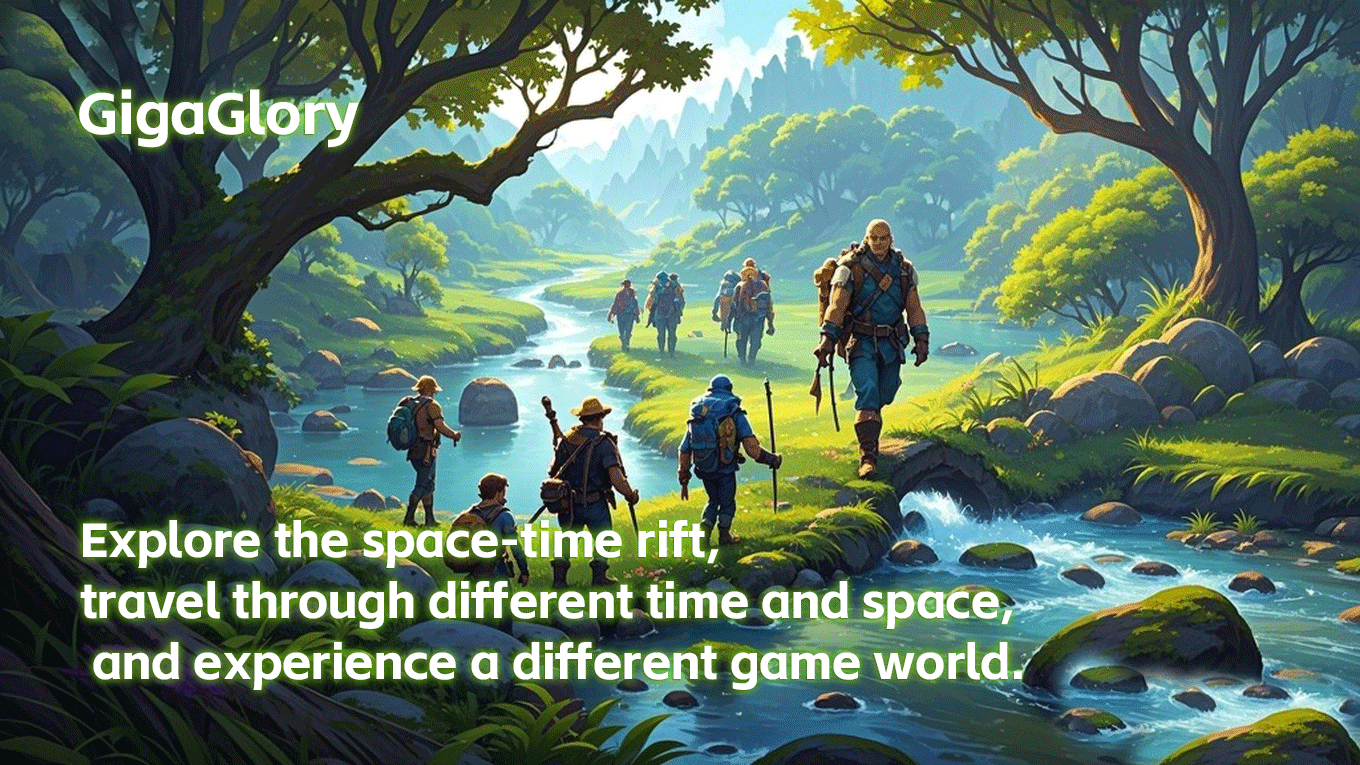
Innovation is the heartbeat of RPGs. Whether it’s incorporating AI-driven narratives or developing expansive open worlds–the genre continually evolves. One fascinating trend is the rise of procedural generation where dungeons and quests are created on-the-fly, allowing players a unique experience every time they play!
3. Player Engagement: The Secret Sauce
So, what's the secret to RPGs' high levels of player engagement? It boils down to the connection players feel with their characters and the worlds they inhabit. In RPGs, players invest themselves emotionally—from crafting intricate backstories to forging alliances with fellow characters. This level of emotional involvement is rare in other genres.
4. Expanding Horizons: Multiplayer RPGs
With the advent of online platforms, multiplayer RPGs have surged in popularity. Games like “Genshin Impact” and “Final Fantasy XIV” allow thousands to join together, creating shared experiences that strengthen bonds and forge lasting friendships. It's that sense of community that makes RPGs even more appealing!
5. Game Mechanics That Deliver
RPGs often incorporate mechanics that other genres shy away from. Think about leveling systems, skill trees, and equipment customization. These elements not only enhance gameplay but also give players a sense of progression and mastery that fuels their desire to keep playing. Here’s a quick look at common mechanics in RPGs:
- Character Customization
- Faction Dynamics
- Branching Dialogue
- Loot Systems
6. The Influence of Streaming and YouTube
The gaming community is buzzing with excitement, and platforms like Twitch and YouTube have made RPGs even more popular. Streamers showcase their gameplay experiences, drawing in viewers who might become the next generation of RPG enthusiasts. The more visibility these games have, the more likely they are to grow and innovate!
7. Why Players Choose RPGs Over Other Genres
It’s simple—RPGs offer players an escape from reality. In today’s turbulent environment, people crave the chance to immerse themselves in fantastical lands where they can be heroes, choose their destinies, and embark on epic quests. The social aspect of shared adventures and storytelling deepens this connection.
8. The Cultural Impact of RPGs
RPGs have also managed to weave themselves into the cultural fabric of society. Films, books, and even merchandise inspired by RPGs resonate with fans worldwide. It’s incredible to see how these digital journeys translate into broader cultural phenomena!
9. The Rise of Indie RPGs
Let’s not forget about the indie developers making waves in the RPG scene. With innovative ideas and compelling narratives, indie RPGs like “Undertale” and “Disco Elysium” challenge the status quo, proving that you don’t need a huge budget to craft a memorable gaming experience!
10. Cross-Platform Play—The Future?
As technology progresses, so does the possibility of cross-platform play in RPGs. Imagine adventuring with friends on different devices! Not only would it broaden the player base but it would also increase engagement as friends flock to RPGs together.
11. The Player-Driven Economy
Many RPGs now incorporate player-driven economies with systems for trading, crafting, and resource gathering. This adds yet another layer of depth to gameplay while encouraging players to think strategically about their in-game investments.
12. Future Trends in RPGs
As we look deeper into the crystal ball, several trends are on the horizon. Expect to see more VR RPGs, AR elements integrated into gameplay, and narratives driven by Artificial Intelligence. The future is bright and filled with unimaginable possibilities!
13. Overcoming Challenges in RPG Development
It’s not all sunshine and rainbows, though. Developers face numerous challenges, including how to balance storytelling with gameplay and dealing with the sheer scope of creating long, intricate worlds. The commitment is immense, but the results can be extraordinary.
14. The Impact of RPGs on the Industry
RPGs significantly impact the gaming industry by setting industry standards in graphics, storytelling, and player engagement, inspiring developers to push the envelope in all areas of game design.
15. Key Takeaways on RPG Trends
| Trends | Description |
|---|---|
| Multiplayer Features | Increased focus on collaborative play. |
| Player Engagement | Deep emotional connections with characters. |
| Indie Developments | Rise of unique narratives and mechanics. |
Conclusion
In a nutshell, RPGs are not just games; they are a journey filled with endless possibilities. As trends continue to evolve, innovation is key to maintaining player interest and engagement. The future of PC gaming undoubtedly has its roots firmly planted in the RPG genre. It's an exciting time for gamers, and the advancements awaiting us are nothing short of spectacular!